
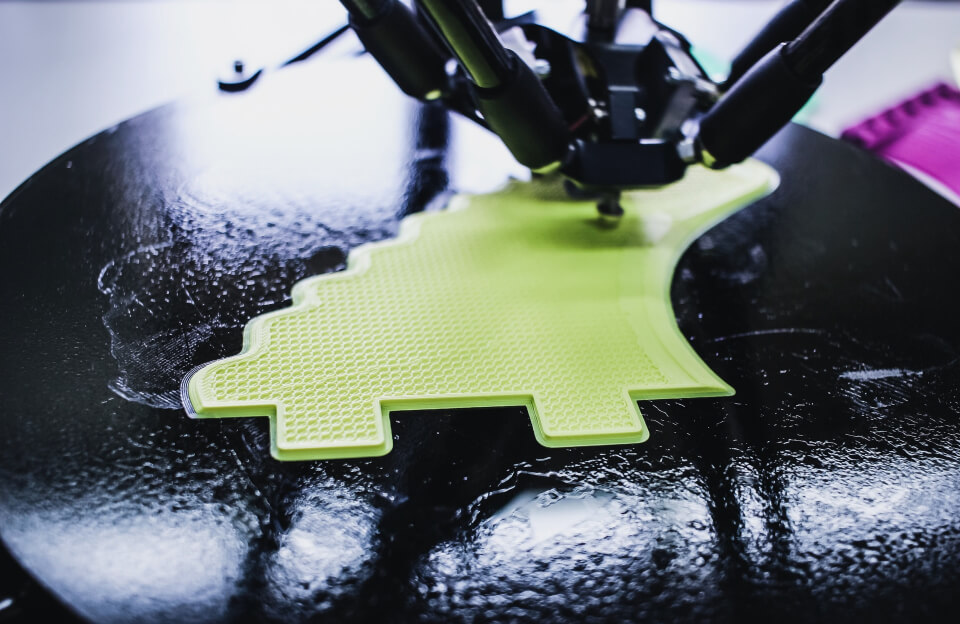
In the fast-evolving realm of 3-D printing, innovations are continually reshaping how we think about manufacturing and design. Among the groundbreaking possibilities is the ability to 3-D print everyday objects, including glassware. For tech founders, this innovation opens up a world of opportunities in customization and rapid prototyping.
The idea of printing a replacement glass in your own home might sound like science fiction, but it’s rapidly becoming a reality. Advances in materials and technology are making it increasingly feasible to produce high-quality, durable glass products through 3-D printing.
Let’s delve into how this technology could transform industries and consumer habits, providing both challenges and opportunities for tech entrepreneurs.
The Science Behind 3-D Printing Glass
Traditional glass manufacturing involves processes that are time-consuming and require significant energy. However, 3-D printing simplifies production by layering materials through precise digital instructions, reducing waste and costs significantly.
Materials such as silica ink are used in 3-D printing to mimic the properties of traditional glass, opening the door to complex designs previously impossible through conventional methods.
Opportunities for Tech Founders
For tech entrepreneurs, 3-D printing glass presents numerous business opportunities, from bespoke product offerings to B2B solutions. Here are some potential applications:
Entrepreneurs can leverage these opportunities by targeting niche markets and offering personalized services that traditional manufacturers cannot match.
Challenges to Overcome
Despite the potential, there are hurdles to mainstream adoption. Here are a few key challenges:
Addressing these challenges will be crucial for startups aiming to capitalize on this innovative technology.
“The future of manufacturing is personalized, and 3-D printing glass is one of the myriad ways we will reinvent the industry.”
The advent of 3-D printed glass isn’t just a technological breakthrough; it’s a paradigm shift in how we think about and utilize materials. For tech founders, it represents both a challenge to master new techniques and an opportunity to lead in a burgeoning market.
Are you ready to embrace the future of on-demand manufacturing?